Best LED Warning Lights for Construction and Emergency Use
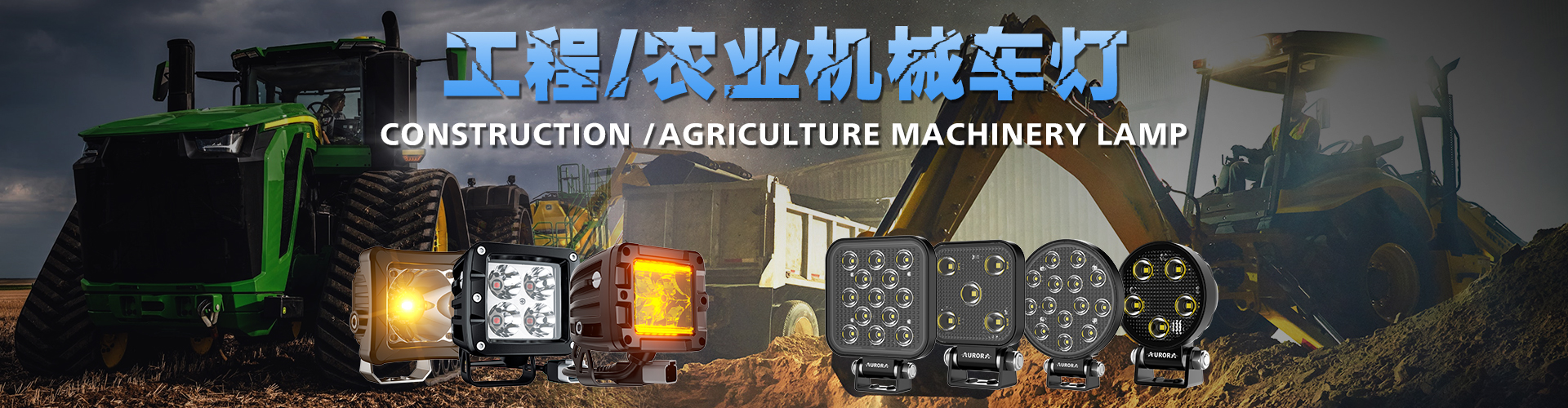
When construction sites operate around the clock and emergency vehicles race against time, reliable lighting systems become critical safety equipment. The intersection of durability, visibility, and regulatory compliance defines the modern standard for professional-grade LED warning lights—a standard that separates industrial-strength solutions from consumer-grade alternatives.
Understanding the Demanding Environment
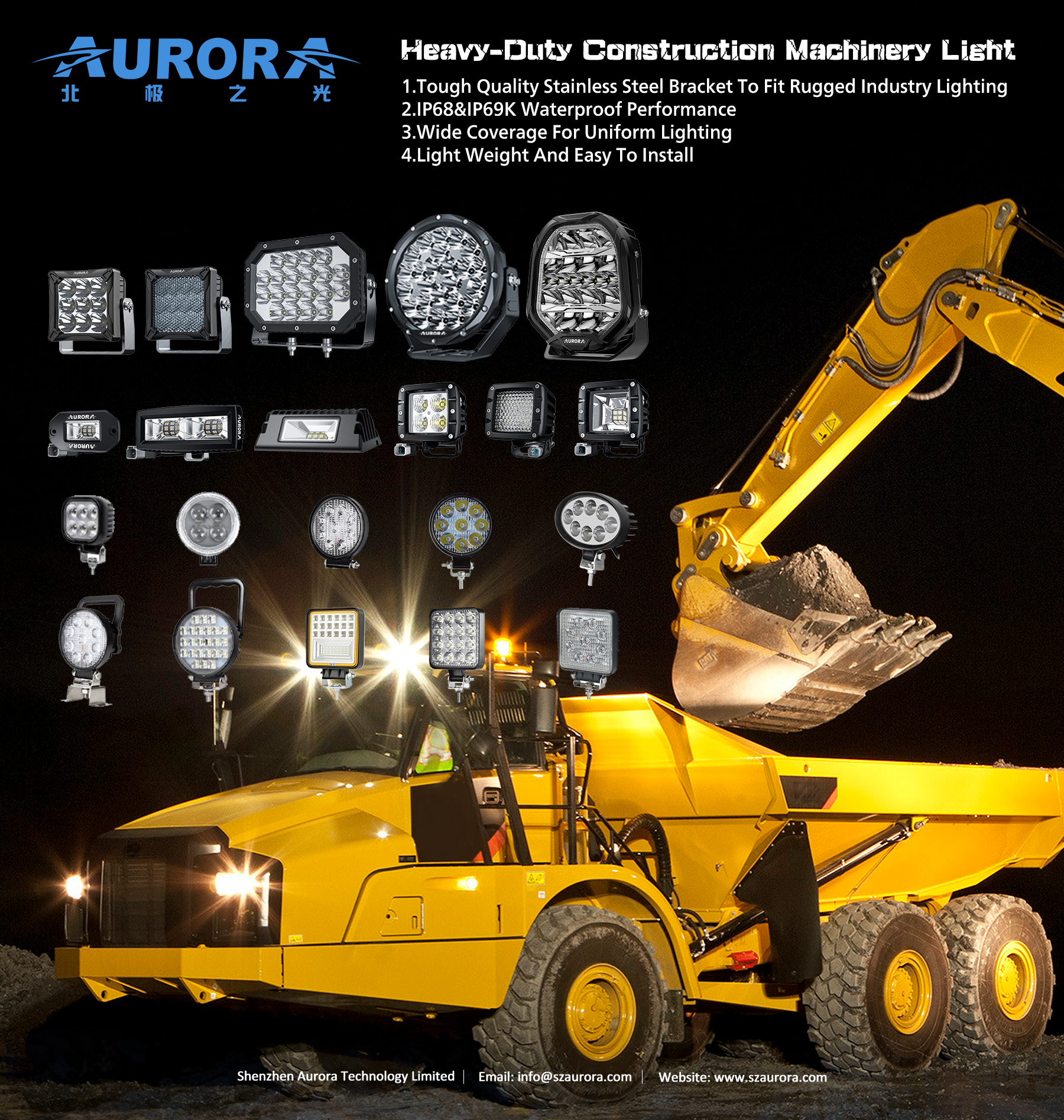
Construction and emergency response environments present extreme challenges that ordinary lighting cannot withstand. Heavy machinery vibrations, corrosive chemical exposure, high-pressure washing protocols, and temperature fluctuations from -40°C to beyond 100°C create a hostile operational landscape. Equipment failure in these contexts doesn't merely inconvenience—it jeopardizes worker safety and mission success.
Professional operators require lighting solutions engineered specifically for these punishing conditions. The key differentiators extend beyond basic brightness measurements to encompass ingress protection ratings, thermal management systems, and structural resilience against mechanical stress.
Critical Performance Standards
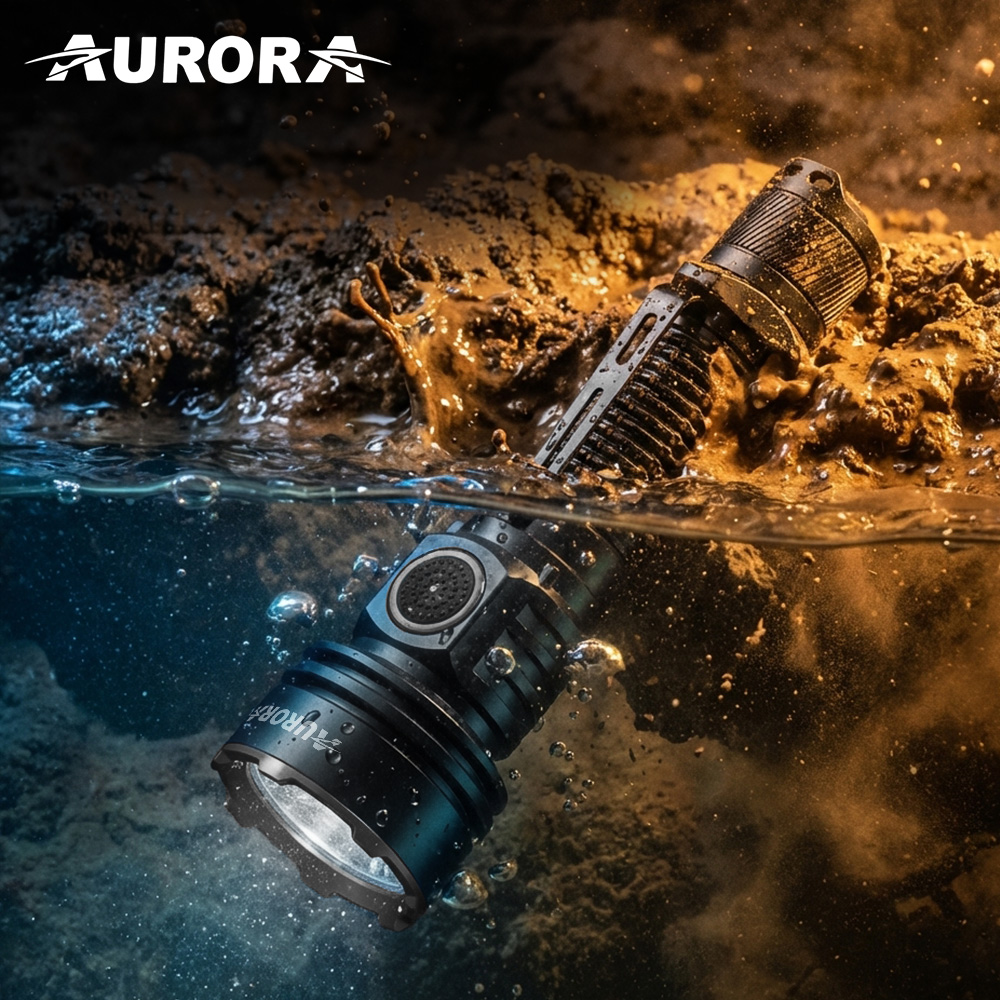
Ingress Protection Ratings serve as the primary indicator of environmental durability. IP68 certification guarantees protection against continuous submersion in water, while the superior IP69K rating ensures survival under high-pressure, high-temperature wash conditions common in construction and emergency vehicle maintenance. These ratings aren't merely theoretical—they reflect real-world performance under documented testing protocols.
Operational Temperature Range determines whether equipment functions reliably across seasonal extremes and geographic locations. Professional-grade systems must maintain consistent output from arctic cold snaps to desert heat waves, requiring advanced thermal management through materials like 6063 aluminum housings that efficiently dissipate heat while maintaining structural integrity up to 145°C.
Vibration Resistance proves essential for mounting on heavy equipment and emergency vehicles. Testing standards measuring 10g force across 5-500Hz frequency ranges simulate the constant mechanical stress these lights endure. Failure to meet these standards results in premature component failure, flickering, or complete system shutdown during critical operations.
Voltage Compatibility across 9V-32V DC systems ensures universal application across diverse vehicle platforms, from compact construction equipment to large emergency response vehicles with varying electrical architectures.
Technology Integration for Maximum Effectiveness
Modern LED warning lights leverage advanced semiconductor technology from manufacturers like Osram and Cree, delivering superior luminous efficacy compared to legacy halogen or HID systems. These high-performance chips generate intense illumination while consuming significantly less power—a critical advantage for vehicles with limited electrical capacity or battery-dependent operation.
Optical Engineering transforms raw LED output into functional illumination patterns. Spot beam configurations concentrate light into narrow, long-distance patterns ideal for forward visibility on emergency vehicles. Flood beam optics distribute light across wider areas for construction site illumination. Diffusion patterns create uniform lighting for work zones requiring even coverage without harsh shadows.
Specialized applications demand additional optical innovations. Side shooter configurations combine forward-facing primary beams with perpendicular secondary LEDs, creating 120-degree+ coverage patterns that illuminate lateral work areas—particularly valuable for construction equipment operating in confined spaces.
Multi-Mode Functionality extends equipment versatility. Three-mode systems incorporating white primary beams with amber or white daytime running light (DRL) options enable single fixtures to serve multiple functions: high-intensity work illumination, visibility signaling, and regulatory compliance lighting. This consolidation reduces installation complexity and vehicle electrical load.
Advanced Applications Beyond Standard Illumination
Tactical operations increasingly utilize infrared LED systems operating at 940nm or 850nm wavelengths. These invisible-spectrum lights provide illumination detectable only through night vision equipment, enabling covert emergency response operations and security applications without alerting subjects to observer presence.
RGB color-changing systems with Bluetooth connectivity and smartphone app control serve dual purposes: aesthetic customization for specialized vehicles and color-coded signaling systems for complex construction sites where different colored lights communicate specific operational status or hazard warnings.
Regulatory Compliance and Quality Assurance
Professional procurement decisions must account for comprehensive certification portfolios. IATF 16949 certification demonstrates adherence to automotive industry quality management systems, ensuring manufacturing consistency and traceability. ISO 9001, ISO 14001, and ISO 45001 certifications verify quality management, environmental responsibility, and occupational health standards respectively.
Product-specific certifications including E-mark, SAE compliance, CE marking, and RoHS adherence ensure legal operation across international jurisdictions and environmental regulatory frameworks. These certifications represent substantial investment in testing and documentation—investments that separate established manufacturers from opportunistic suppliers.
The Aurora Technology Advantage
Understanding the Demanding Environment
Construction and emergency response environments present extreme challenges that ordinary lighting cannot withstand. Heavy machinery vibrations, corrosive chemical exposure, high-pressure washing protocols, and temperature fluctuations from -40°C to beyond 100°C create a hostile operational landscape. Equipment failure in these contexts doesn't merely inconvenience—it jeopardizes worker safety and mission success.
Professional operators require lighting solutions engineered specifically for these punishing conditions. The key differentiators extend beyond basic brightness measurements to encompass ingress protection ratings, thermal management systems, and structural resilience against mechanical stress.
Critical Performance Standards
Ingress Protection Ratings serve as the primary indicator of environmental durability. IP68 certification guarantees protection against continuous submersion in water, while the superior IP69K rating ensures survival under high-pressure, high-temperature wash conditions common in construction and emergency vehicle maintenance. These ratings aren't merely theoretical—they reflect real-world performance under documented testing protocols.
Operational Temperature Range determines whether equipment functions reliably across seasonal extremes and geographic locations. Professional-grade systems must maintain consistent output from arctic cold snaps to desert heat waves, requiring advanced thermal management through materials like 6063 aluminum housings that efficiently dissipate heat while maintaining structural integrity up to 145°C.
Vibration Resistance proves essential for mounting on heavy equipment and emergency vehicles. Testing standards measuring 10g force across 5-500Hz frequency ranges simulate the constant mechanical stress these lights endure. Failure to meet these standards results in premature component failure, flickering, or complete system shutdown during critical operations.
Voltage Compatibility across 9V-32V DC systems ensures universal application across diverse vehicle platforms, from compact construction equipment to large emergency response vehicles with varying electrical architectures.
Technology Integration for Maximum Effectiveness
Modern LED warning lights leverage advanced semiconductor technology from manufacturers like Osram and Cree, delivering superior luminous efficacy compared to legacy halogen or HID systems. These high-performance chips generate intense illumination while consuming significantly less power—a critical advantage for vehicles with limited electrical capacity or battery-dependent operation.
Optical Engineering transforms raw LED output into functional illumination patterns. Spot beam configurations concentrate light into narrow, long-distance patterns ideal for forward visibility on emergency vehicles. Flood beam optics distribute light across wider areas for construction site illumination. Diffusion patterns create uniform lighting for work zones requiring even coverage without harsh shadows.
Specialized applications demand additional optical innovations. Side shooter configurations combine forward-facing primary beams with perpendicular secondary LEDs, creating 120-degree+ coverage patterns that illuminate lateral work areas—particularly valuable for construction equipment operating in confined spaces.
Multi-Mode Functionality extends equipment versatility. Three-mode systems incorporating white primary beams with amber or white daytime running light (DRL) options enable single fixtures to serve multiple functions: high-intensity work illumination, visibility signaling, and regulatory compliance lighting. This consolidation reduces installation complexity and vehicle electrical load.
Advanced Applications Beyond Standard Illumination
Tactical operations increasingly utilize infrared LED systems operating at 940nm or 850nm wavelengths. These invisible-spectrum lights provide illumination detectable only through night vision equipment, enabling covert emergency response operations and security applications without alerting subjects to observer presence.
RGB color-changing systems with Bluetooth connectivity and smartphone app control serve dual purposes: aesthetic customization for specialized vehicles and color-coded signaling systems for complex construction sites where different colored lights communicate specific operational status or hazard warnings.
Regulatory Compliance and Quality Assurance
Professional procurement decisions must account for comprehensive certification portfolios. IATF 16949 certification demonstrates adherence to automotive industry quality management systems, ensuring manufacturing consistency and traceability. ISO 9001, ISO 14001, and ISO 45001 certifications verify quality management, environmental responsibility, and occupational health standards respectively.
Product-specific certifications including E-mark, SAE compliance, CE marking, and RoHS adherence ensure legal operation across international jurisdictions and environmental regulatory frameworks. These certifications represent substantial investment in testing and documentation—investments that separate established manufacturers from opportunistic suppliers.
The Aurora Technology Advantage
Best LED Marine Lights for Superior Boat Deck Illumination
Offroad LED Flood Lights: Transforming Side Visibility