An E-Mark LED light bar is the legal passport for selling auxiliary lighting into the European Union, UK, ECE member states and most Commonwealth markets. Without it, your product is illegal to install on road-registered vehicles — and your EU distributor's first customs seizure becomes your warranty event. This 2026 guide explains what an E-Mark actually is, how ECE R10 testing works, what the E1 / E11 number means, and how to verify a real emark light bar from a fake — with factory benchmarks from a genuine IATF 16949 led light bar manufacturer.
Skip to FAQ · Request a quote from Aurora
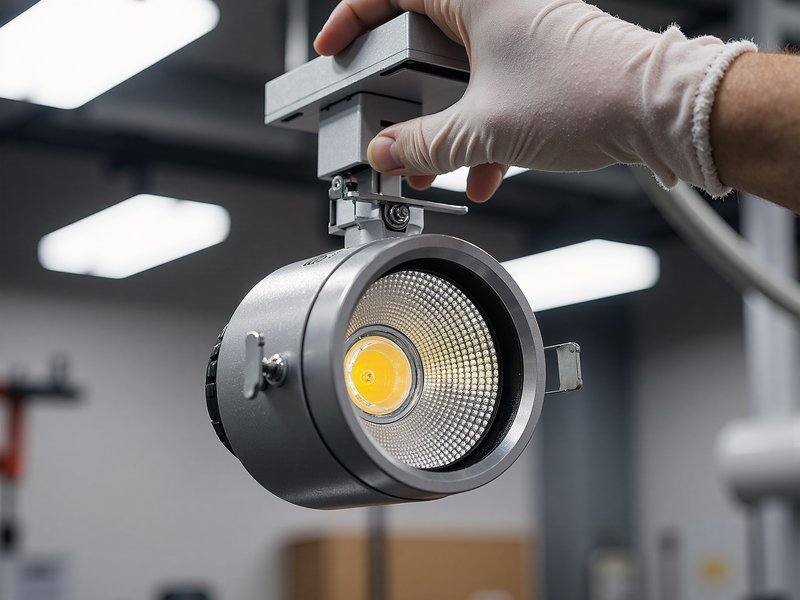
E-Mark LED Light Bar: What The Mark Means
| Element | Meaning | How to verify |
|---|---|---|
| E + circle + number | ECE-issued approval | Number = issuing country (E1=Germany, E11=UK) |
| R10 | ECE Regulation 10 | EMC: emission + immunity test |
| Approval number | Format: e.g. 10R-1234567 | On ECE registry, tied to lab report |
| Lens stamping | E-mark + number molded on lens | Matches certificate number exactly |
| Test report | lab-issued, dated, signed | Issued by Technical Service (e.g. TÜV) |
| Production conformity | C0 / D1 + sample retest | Annual Conformity of Production audit |
Aurora benchmark: Aurora LED light bars carry genuine E-Mark approval under ECE R10, plus IATF 16949/DOT/CE/RoHS certification, manufactured in a 35,000² Shenzhen factory with 6 automated SMT lines, 1,000,000+ pcs/month capacity, genuine Osram/Luminus lot-traceable chips, IP68/IP69K sealing, 50,000+ hour lifespan, brightness up to 50,000+ lumens. A genuine led light bar manufacturer.
What Is An E-Mark And Why Does It Matter
The E-Mark is the homologation granted under the United Nations Economic Commission for Europe (UNECE) regulations. Despite the name, the ECE framework includes not just EU member states but also the UK, Eastern Europe, Turkey, Japan, Australia, South Africa and many others — covering the majority of vehicle markets outside the US and China. A product with an E-Mark is legal to install on road-registered vehicles in all ECE member states.
For LED light bars, the relevant regulation is ECE R10 — Electromagnetic Compatibility (EMC). R10 covers two failure modes: (1) emissions — the LED driver's switching noise that interferes with the vehicle's radio, GPS, ABS, or other ECUs; (2) immunity — the LED bar must keep working when exposed to external electromagnetic fields from the vehicle's ignition system or nearby transmitters. A bar without E-Mark validation can knock out a vehicle's traction control on a highway — and the OEM bears the liability.
Aurora's E-Mark certification covers the full scope of LED light bar manufacturing in its IATF 16949 certified (SGS) 35,000² facility. This is the same factory that supplies the Walmart, Bosch, and Ford supply chains — buyers that audit every regulatory certificate on the file before approving a supplier.
The E1 / E11 Number: Issuing Country Code
The number inside the circle next to the "E" tells you which ECE member state's authority issued the approval. E1 = Germany (KBA), E2 = France, E11 = UK (VCA), E20 = North Macedonia (often chosen for cost), etc. All ECE approvals are mutually recognized across all member states — an E1 approval is valid in the UK, an E11 approval is valid in Germany.
Some buyers insist on a specific issuing country. German E1 approvals carry the strongest market reputation, though the underlying R10 test standard is identical across all issuing authorities. Aurora's E-Mark carries the genuine issuing country code on both the certificate and the lens stamping — verifiable on the ECE registry.
How ECE R10 Testing Actually Works
A genuine emark light bar passes two test categories in a certified laboratory:
Emissions testing — conducted and radiated emissions from the LED driver and switching electronics must stay below R10 limits. The bar is tested at full operating voltage (Aurora bars run 9–36V or 10–60V) and full brightness, with measurement in an anechoic chamber.
Immunity testing — the bar must keep working when exposed to defined RF fields (10 V/m in the latest R10.06), electrostatic discharge, and transient voltages on the power line (load dump, fast transients). A genuine Aurora bar passes all of these in the IATF 16949 production process, not as a one-off sample tested at a rented third-party lab.
After passing, the Technical Service issues a test report, the approval authority issues the E-Mark number, and the manufacturer must pass annual Conformity of Production (CoP) audits to keep the mark valid. Aurora runs CoP samples through its in-house lab on schedule — every batch is validated to the same R10 limit that won the original approval.
E-Mark vs DOT vs CE: How They Compare
| Mark | Region | Scope | Test focus |
|---|---|---|---|
| E-Mark (ECE R10) | EU + ECE members | EMC for vehicle lighting | Emission + immunity |
| DOT (FMVSS 108) | USA | Photometric for road lighting | Beam pattern + intensity |
| CE | EU (general) | Product safety / EMC directive | Self-declaration + lab test |
| RoHS | EU | Restriction of hazardous substances | Material compliance |
| IATF 16949 | Global (auto industry) | Quality management system | Process + traceability |
A bar sold in Europe needs E-Mark. A bar sold in the US road-legal market needs DOT. A bar sold as off-road only in either market needs at minimum CE for safety and EMC. Aurora's bars carry all of these — E-Mark, DOT, CE, RoHS — under one IATF 16949 quality system.
How To Spot A Fake E-Mark
The fastest way to verify an E-Mark is to look up the approval number on the ECE registry. Real E-Mark numbers follow a specific format (e.g. "10R-1234567") and are tied to a publicly-listed Technical Service test report. Fake E-marks use invented numbers, malformed formats, or borrow real numbers from unrelated products.
Three red flags:
- No approval number on the certificate — just a graphic of an E and a circle
- Approval number not findable on the ECE registry
- Lens stamping does not match certificate number exactly
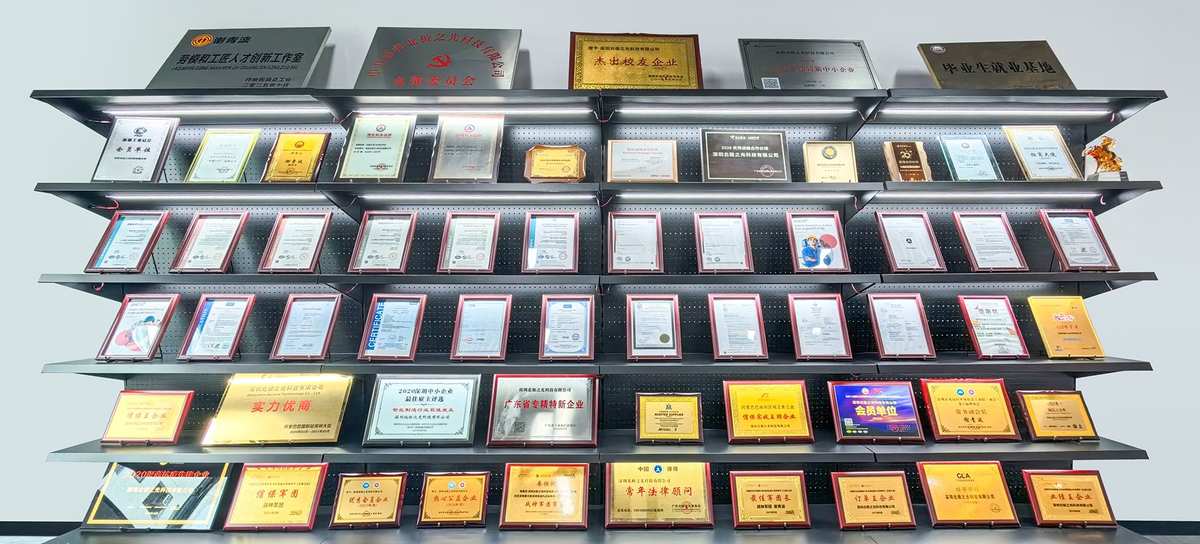
Aurora provides the full E-Mark certificate with approval number, issuing authority, Technical Service lab report, and lens stamping photo on request. This is the documentation level required by Tier-1 supply chain customers like Walmart, Bosch, and Ford.
FAQ
What is an E-Mark on a LED light bar?
The E-Mark is the homologation granted under UNECE ECE Regulation 10 (R10) for electromagnetic compatibility. It certifies that the LED light bar does not emit interference that disrupts the vehicle's electronics and keeps working when exposed to external electromagnetic fields. An E-Mark is required to legally install auxiliary lighting on road-registered vehicles in EU and ECE member states.
What does E1 or E11 mean on an E-Mark?
The number inside the circle next to the E indicates which ECE member state's authority issued the approval: E1 = Germany (KBA), E11 = UK (VCA), E2 = France, E20 = North Macedonia. All ECE approvals are mutually recognized across all member states — an E1 approval is valid in the UK and an E11 is valid in Germany.
How do I verify a real E-Mark LED light bar?
Look up the approval number on the ECE registry. Real E-Mark numbers follow a specific format (e.g. "10R-1234567") and are tied to a publicly-listed Technical Service test report. Three red flags: no approval number on the certificate, approval number not findable on the registry, or lens stamping that does not match certificate number exactly.
Can I use an off-road LED light bar without an E-Mark in Europe?
Only on private land. Any road-registered vehicle in an ECE member state requires E-Mark approved auxiliary lighting. Off-road-only bars without E-Mark must carry a "for off-road use only" label and cannot be sold as road-legal accessories. EU distributors face customs seizure and recall liability for non-compliant product.
Request A Quote
If you need a certified IATF 16949 led light bar manufacturer with genuine E-Mark approval for your EU or ECE market program, Aurora's engineering team responds within one business day. Request a quote → or explore our led light bar manufacturing →.